
Dooly County Court Record Requests
Go straight to the court that holds the file. For a Dooly Superior case, Georgia Courts E-Access and PeachCourt are the online doors. If the image or certified copy is not there, call the Clerk of Superior Court. Probate matters follow a different route. Estate, guardianship, vital-record, and citation material lives with the Dooly Probate/Probate-Magistrate office. City traffic and ordinance files run through Vienna or Unadilla instead. Any request under the Georgia Open Records Act should go to the actual custodian of an existing record. Do not send it to whichever office answers first.
- Identify the court class, case number or citation number, parties, document type, and relevant date.
- Try the documented online provider or city route when one exists, but note whether it gives an index, docket, or image.
- Call or visit the clerk’s counter when the online route is absent, restricted, or unclear.
- For mail or written requests, state the exact record, date range, preferred delivery, and contact details.
- Ask whether the result will be a plain copy, certified copy, electronic image, inspection, or an Open Records response.
The county contact page posts no court-specific request form. For a Superior record, the Superior Clerk's published phone is the practical first call.
How Dooly Custodians Split Records
The Clerk of Superior Court holds the main docket. Superior civil, domestic, felony, misdemeanor, appeal, and filing records all sit with that office. Georgia Courts makes Dooly Superior e-filing mandatory through PeachCourt. That vendor route does not reach Probate vault material. It also misses Magistrate warrants, city citations, and juvenile files.
Dooly Probate and Magistrate share a Vienna office. The local structure comes from Senate Bill 111. Vienna and Unadilla municipal clerks keep their own city traffic and ordinance records. Juvenile records route through a Juvenile clerk or an authorized system. Dooly publishes no public juvenile request page.
Federal court is a separate world. A case filed there stays out of the Dooly state-court clerk's hands. That holds true no matter where the parties live. The PACER system and its Middle District of Georgia CM/ECF lookup are the federal starting points. Bankruptcy cases use the district's bankruptcy court route.
Classify the record before you pay a vendor or mail anything. A case search can find the file. Only the custodian issues the official copy.
Kinds of Court Records
A court record might be a docket chronology, a filed pleading, a signed ruling, a judgment, an exhibit, or a special-court file. Whichever court holds it sets the access path.
- Docket or register entries, case headers, settings, dispositions, and filing history.
- Complaints, petitions, answers, counterclaims, accusations, indictments, motions, and briefs.
- Orders, judgments, sentencing documents, releases, satisfactions, and appeal records.
- Probate wills, estate inventories, petitions, guardianship records, and vital-record services.
- Municipal citation or ordinance files and county administrative records such as existing calendars or minutes.
Exhibits and attachments may call for separate review. A record title in a case search does not prove the full attachment is public or online.
The Dooly 1875 Vault Record
The Dooly Probate Court site says its records date back to 1875. Most are open for research during office hours. Wills filed for safekeeping are the exception. They stay sealed in an envelope, held in the vault, and out of public view. Old paper records like these often take an office visit rather than a provider search.
The Probate office cannot give legal advice or complete forms. Say whether you want inspection, a copy, certification, or a proceeding that is not public. A public-record statement never overrides a seal or confidentiality rule.
Court Records: What They Contain
The case file runs wider than the docket summary. PeachCourt sits behind a login, so treat the field list here as a checklist to verify against what you actually see, not a promise about every screen.
| Case header | Court, county, case number, case type, filing date, status, judge, and last update. |
|---|---|
| Parties and service | Party role, attorney, self-represented status, service, and termination information where shown. |
| Pleadings and motions | Complaint, petition, answer, counterclaim, motion, brief, exhibit, or other filed item. |
| Orders and judgment | Signed rulings, final judgment, disposition, sentence, satisfaction, release, or appeal entry. |
| Access marks | Sealed, restricted, redacted, image unavailable, page count, and document-link status. |
A docket line can show that an order was filed without showing its words. When the wording matters, request the source document.
PeachCourt Document Exclusions
PeachCourt is the Superior e-file and access provider Georgia Courts names for Dooly. Its help page says file-stamped documents from many State and Superior courts may reach back to 2005. Not every document is online, though. Sealed documents, adoption documents, and unexecuted proposed orders are excluded from its document service.
The vendor charges $0.50 per page for images plus a small convenience fee. Confirm Dooly coverage, the current price, and whether the image exists in the account. Do that before you count on it. A provider image price is not a Superior Clerk certification fee.
If the image is missing, write down the case number. Add the document name and the filing date. Ask the Clerk of Superior Court whether the paper file or a redacted copy can be inspected. It can also be copied through that office.
Copy Fees and Certification
A plain copy is just a reproduction. A certified copy carries the clerk's authentication, which some formal uses require. Dooly's Superior page posts no current copy or certification fee table, so ask the clerk for the amount and the accepted payment method.
| Item | Published amount or status | What to confirm |
|---|---|---|
| PeachCourt document image | $0.50 per page plus a small convenience fee, per vendor help | Current fee and Dooly availability after login. |
| Probate safe-keeping will | $10 one time | That the request is for this Probate service, not a Superior copy. |
| Birth or death certified copy | $25; $5 each additional same-time copy | Photo ID, check instructions, and vital-record eligibility. |
| Open Records copy | Current AG FAQ describes up to 25 cents per page; older compiled text shows 10 cents | Current estimate, search or redaction time, and delivery method. |
| Superior plain or certified copy | No current Dooly schedule located | Fee, certification, page count, turnaround, and payment type. |
Dooly County Clerk of Superior Court
P.O. Box 326
104 S. Second Street
Vienna, GA 31092
229-268-4234
How to Write an Open Records Request
Georgia Attorney General guidance suggests a precise written request sent to the record custodian. Ask for an existing record, not a new analysis. Name the right office. That could be Dooly County Clerk of Superior Court, Probate, Magistrate, Vienna, Unadilla, or another actual custodian of the file.
List the date range. Add the case or citation number, record type, preferred format, and a way to receive an estimate. The official one-page request instructions show date, custodian, agency contact, request narrative, submitter, and contact lines. That page is a model, not proof that Dooly requires the exact same form.
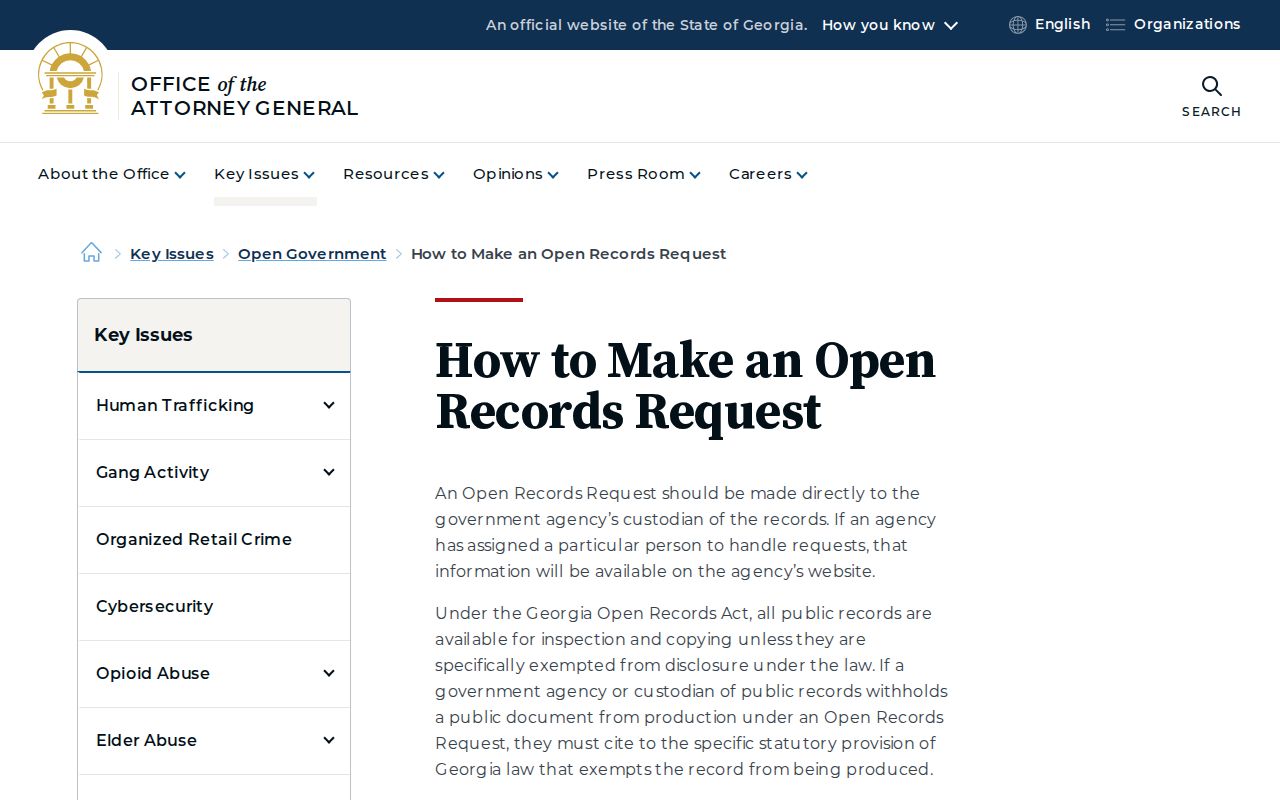
The Attorney General's request instructions cover where to send an Open Records request. They also explain why a clear scope matters. A tight, specific ask helps the custodian respond faster. It also cuts the risk of a denial over vague wording.
If some material gets withheld, ask for the non-exempt portions. When a response is delayed or denied, request the statutory exemption cited. Ask also for an estimate for searchable, redacted, or copied material.
Access Rules for Court Records
Two different rules control access here. Georgia's Open Records Act governs records held by public agencies. Uniform Superior Court Rule 21 sets the limits for Superior Court files. Juvenile, sealed, protected, adoption, and safekeeping-will records each follow their own boundaries. You may find a case in a public index. That does not mean every page, exhibit, or identifier inside it is public.
Rules and guidance
Attorney General open-government FAQ explains response timing, estimates, copying, redaction, and the need to state a legal basis for denial.
Uniform Superior Court Rule 21 starts with public access and provides a process for limiting it.
Georgia Juvenile Code Article 9 and O.C.G.A. § 15-11-701 support confidentiality for juvenile files; JDEX is not a public Dooly search.
O.C.G.A. § 35-3-37 concerns restriction of certain criminal-history records and does not promise removal of every local copy.
When you hit a wall, ask the clerk exactly why. The record could be sealed, redacted, restricted, simply unavailable online, or sitting in another court's files. Each answer calls for a different kind of request.
When the Clerk Has No Fee Table
The Dooly Superior Clerk page lists an office address, phone, fax, and the clerk's name. It posts no copy-fee schedule and no electronic request form. Don't borrow a fee from another Georgia county to fill that gap. Instead, call 229-268-4234. Ask the amount, the payment method, the certification charge, and how long copies take.
Also keep two charge types separate. Open Records copying fees and court-certified-copy fees are not the same thing. The Attorney General FAQ describes a current per-page ceiling. An older compiled statute text shows a different figure. So ask for a current estimate whenever staff must search, redact, retrieve, or prepare an electronic delivery. The Attorney General open-government FAQ lays out that guidance.
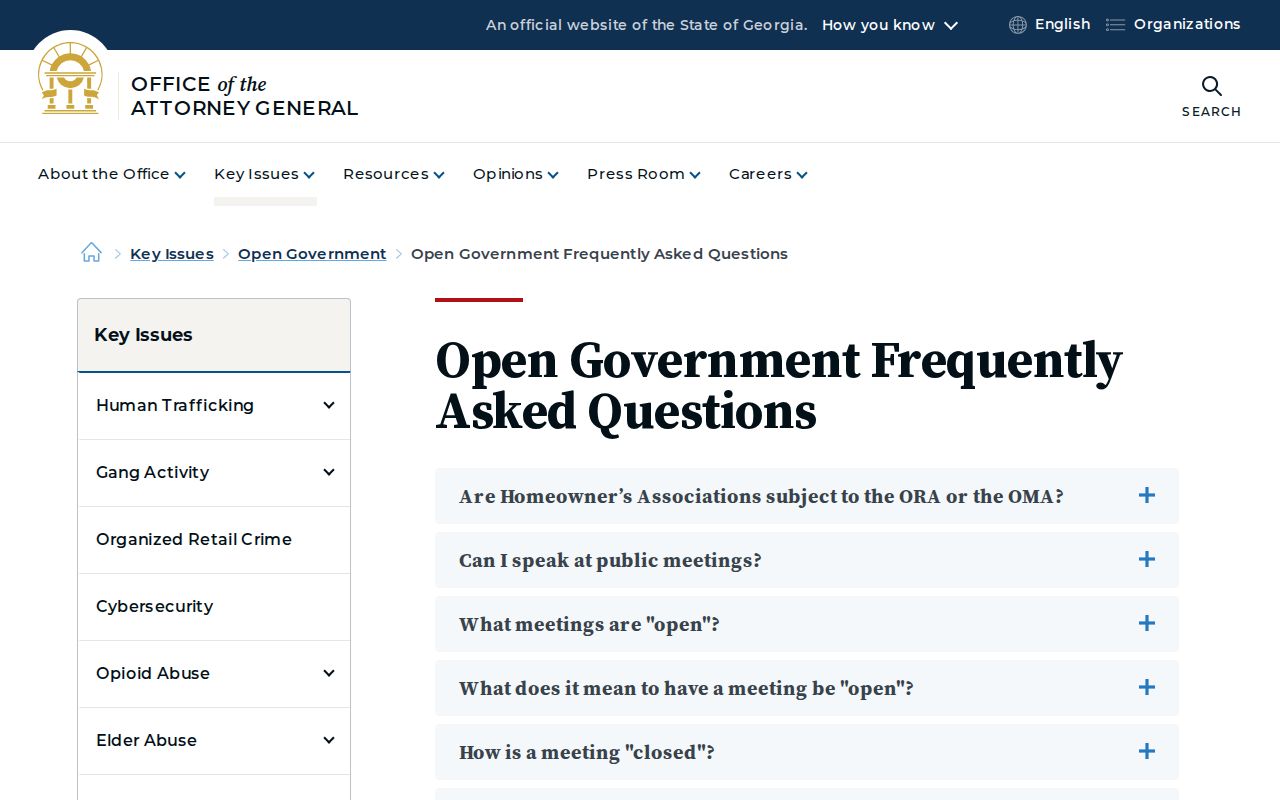
Treat the FAQ as a state-law reference only. It sets no Dooly Superior certification fee. The Attorney General's open-government hub gives the broader Georgia framework, separating inspection, copying, exemptions, and custodian responses. Read it alongside the court-specific access rule that covers the file you requested.
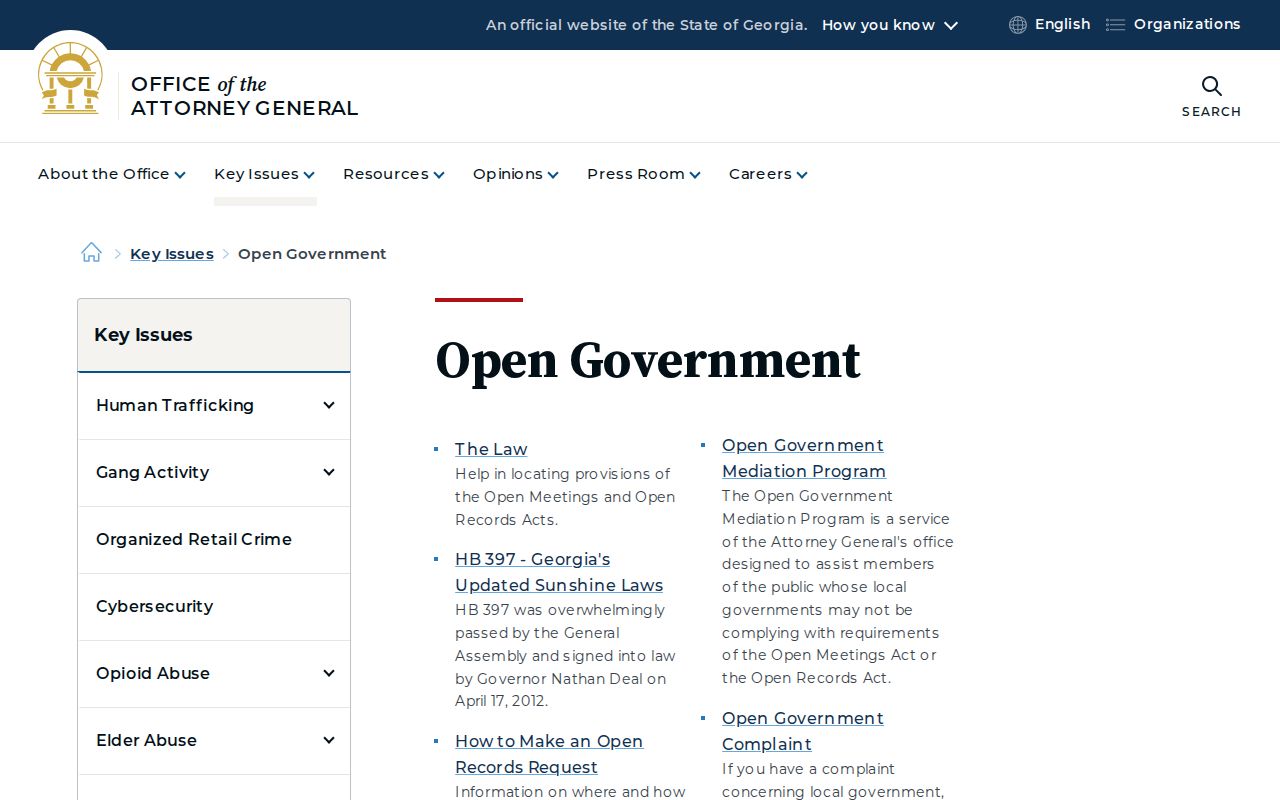
Remember that the hub speaks statewide. It never replaces a request to the Dooly clerk, and it cannot tell you whether a particular case document is sealed or restricted.